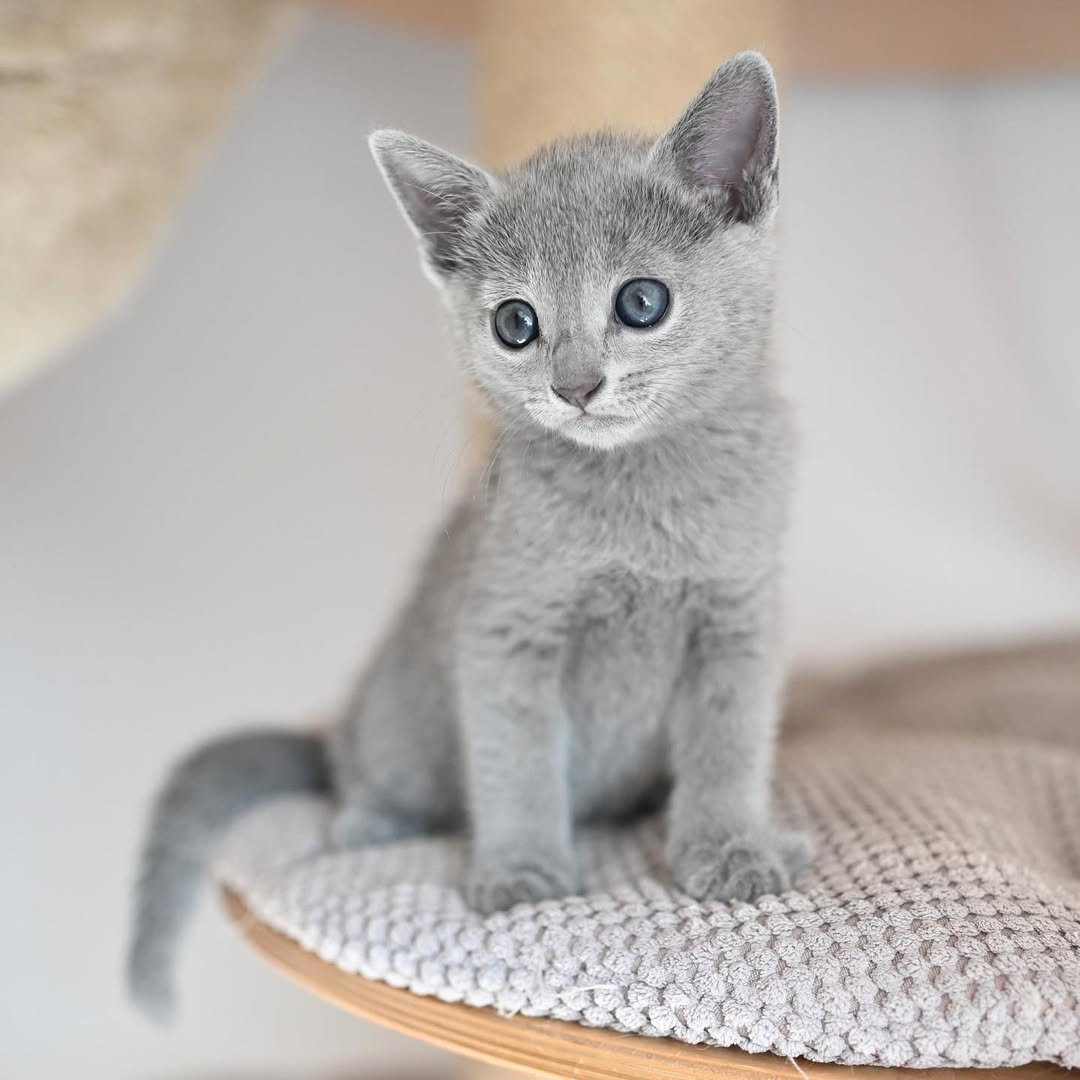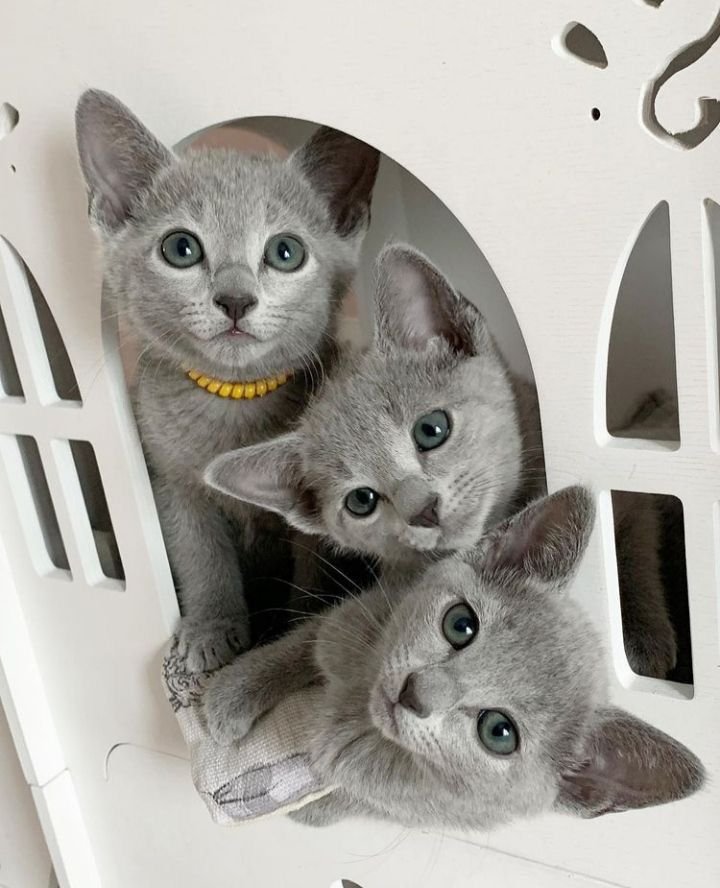
The questions families ask us most often before bringing a Russian Blue kitten home.
Clear Answers for Texas Families
As a dedicated Russian Blue breeder in Austin, Texas, we understand that families have important questions about purebred kittens, responsible breeding, health care, temperament, adoption, and transportation. The answers below explain how Archangel Silver raises and places Russian Blue kittens for families in Texas and other states.
Browse the topics below, or contact us directly if your question is not covered. We are happy to discuss a specific kitten, your household, pickup in Austin, or delivery options.
Price varies kitten to kitten based on coat quality, gender, and whether the kitten is sold on a pet or breeding contract. Rather than post a range that may not apply to the kitten you're interested in, we quote each one directly.
Whatever the price, every kitten goes home with:
Send us a message with the kitten you're interested in and we'll reply with current pricing.
Russian Blues produce less of the Fel d 1 protein than most other breeds — that's the protein most people with cat allergies actually react to. Households with mild allergies usually do well with them.
No cat is fully allergen free though, so if your allergy is serious the safest approach is to spend time around a Russian Blue first. We're happy to set up a visit in Austin so you can see how you react before committing to a kitten.
Their dense double coat also tends to trap dander close to the skin instead of releasing it into the air, which helps too.
Most families come to Austin and pick up in person — it's the easiest option and there are no transport fees. For out of state homes there are three other ways to get your kitten home:
Whichever option you choose, the kitten travels with a vet signed health certificate issued within 10 days of travel, a carrier, and a blanket with mom's scent.
Costs and timing for each option are on the shipping page.
Every kitten goes home with a written 2 year guarantee. In plain English, it covers life threatening hereditary and congenital problems — things like:
Before going home each kitten has a full vet exam, age appropriate vaccines, deworming, and a microchip.
We're also a phone call away after your kitten goes home — ask us anything, anytime. Full terms on the health guarantee page.
Kittens go home at 13 weeks old. The additional time with their mother and littermates supports bite inhibition, appropriate play, confidence around other cats, reliable eating, and litter box habits.
By the time yours leaves us:
The result is a kitten that settles into a new home a lot more smoothly than one sent home at eight weeks.
There are two ways in, depending on what's currently available:
For a kitten in the current litter. Applied to the final price.
For families whose timing doesn't line up with the current litter. Rolls into the $400 reservation when you pick a kitten from the next one.
How it usually goes:
Deposits are non refundable but transferable to a kitten in a future litter if life gets in the way.
Generally, yes. They're a gentle breed and rarely react with claws or teeth , most will leave the room before they'd swipe at anyone. A few notes:
They tend to be shy with strangers at first and warm up over a few visits , that reservation is part of what makes them such steady indoor companions.
We feed a high protein kitten food with a real meat as the first ingredient, plus a little wet food daily for hydration. Your kitten will go home with a small bag of what they're already eating so the switch to your preferred brand can happen gradually over a week or two.
A few things to look for on the label:
As adults they can put on weight if free fed, so measured meals work better than leaving the bowl full. Specific brand recommendations are in the nutrition section of the blog.
No , it's a low maintenance coat. The short, dense fur doesn't mat. A typical week looks like this:
They are fastidious self groomers, so the silver sheen comes naturally , no special shampoos or coat sprays needed.
Russian Blues are easy to live with. If we had to describe the breed in five lines:
They notice changes in routine and don't love sudden chaos , a fairly steady home is where they're at their best.
Yes. By the time they leave us they've been using the box reliably for weeks. We use unscented clumping litter , using the same kind for the first couple of weeks at home avoids any confusion, and you can switch brands gradually after that.
A few setup notes that help:
Before going home, every kitten has been through the following:
Full vaccination records and the vet signed health certificate go home with the kitten.
Still to come at your vet: a third FVRCP booster around 16 weeks and a rabies shot (legally required in most states). We send a schedule home so your vet knows exactly where to pick up.
Moderately active. They have bursts of energy and love wand toys, climbing, and laser pointers, but they sleep a lot too , 12 to 16 hours a day is normal for an adult.
What keeps them happy:
They're smart and get bored if everything stays in the same place for months. Switching toys around every few weeks costs nothing and keeps them interested.
Yes , they're well suited to apartments. A few reasons:
Add a cat tree or two wall shelves for some vertical room, a scratching post, and a daily play session and you're set.
Kept indoors and given normal preventative vet care, most Russian Blues live 15 to 20 years. Plenty make it into their early twenties. It's a hardy breed with relatively few hereditary problems compared to some other purebreds.
A few things that help them get there:
If something does come up that's covered by the 2 year guarantee, you have a written contract that lays out exactly what we'll do. And we're a phone call away long after the warranty period ends.
Responsible Breeding and Adoption
Learn how we document our kittens, welcome prospective families, and support every adoption.
Yes. Archangel Silver raises purebred Russian Blue kittens from pedigreed parents selected for health, temperament, structure, silver blue coat quality, and the characteristics associated with the breed. Each kitten goes home with pedigree documentation and bloodline records. You can meet Luna and Maxim on our Queens and Studs page.
Visits may be arranged by appointment in Austin after an initial conversation. Scheduled visits protect young kittens, nursing mothers, and the privacy of our home. When an in person visit is not practical, we can arrange a live video introduction so your family can see the kitten, meet us, and ask questions before making a reservation.
Every kitten goes home at 13 weeks old with a veterinary health examination, age appropriate vaccinations, deworming records, a microchip, pedigree paperwork, a written 2 year genetic health guarantee, feeding guidance, a starter supply of familiar food, and a blanket carrying familiar scents. Full details are available on our adoption process page.
Yes. Our support continues after your kitten goes home. Families can contact us with questions about feeding, litter box routines, grooming, behavior, introductions to children or pets, and the transition into a new home. Veterinary concerns should always be handled by a licensed veterinarian, but we remain available for practical breeder guidance throughout your cat's life.
Russian Blue Personality and Care
Russian Blues are medium sized cats with an elegant but muscular build. Adult females commonly weigh about 7 to 10 pounds, while adult males often weigh about 10 to 12 pounds. Genetics, diet, activity, and overall health influence adult size. A veterinarian can help you maintain a healthy body condition as your kitten matures.
A Comfortable First Week
Prepare a quiet starter room before your Russian Blue kitten arrives. A smaller space makes the first days less overwhelming and helps your kitten learn where food, water, the litter box, and safe resting places are located.
Introduce family members and resident pets gradually. Keep the first few days calm, maintain familiar food and litter, and allow the kitten to explore at their own pace. Our Russian Blue care guide provides more preparation and first week advice.
If your question isn't here, send us a message , we usually reply the same day.